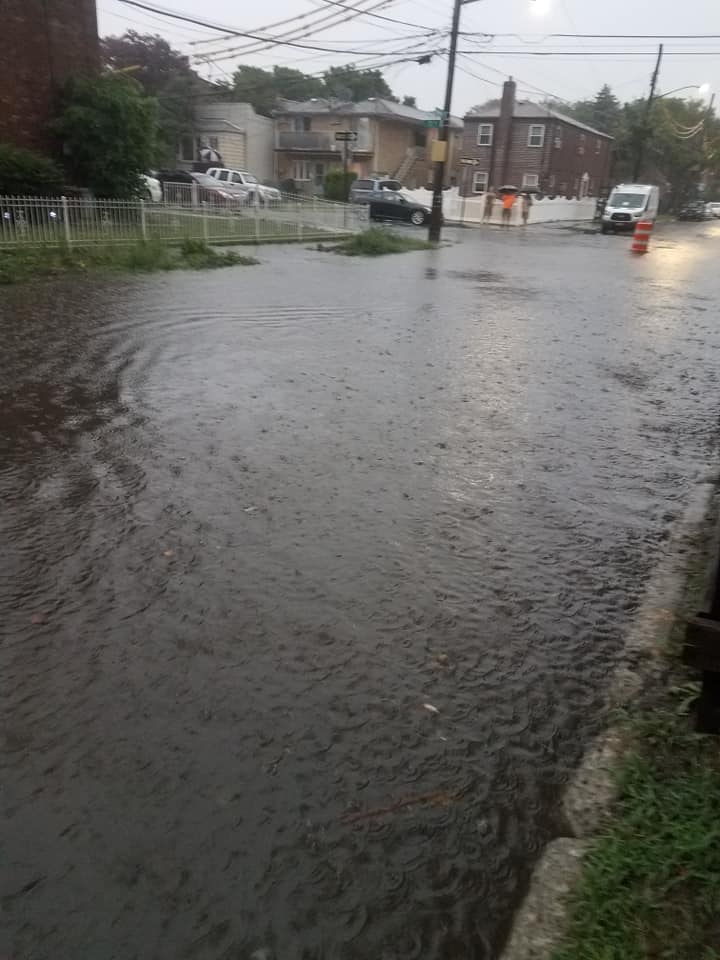
When heavy rains hit our neighborhoods, I’m not just watching the damage unfold on the news—I’m right there on the ground. I’ve walked through flooded basements with families, delivered equipment to clean up the mess, and stood shoulder to shoulder with residents as they asked the same question repeatedly: Why does this keep happening?
Flooding isn’t just an inconvenience. It’s a crisis that disrupts lives, destroys property, and leaves hardworking families stuck with thousands of dollars in damage and very few answers. Small businesses lose merchandise. Homes are left uninhabitable. Seniors and children are put at risk. This is what happens when a city neglects the most basic part of its job—maintaining the infrastructure that protects our communities.
I’ve seen firsthand how our outdated sewers, clogged catch basins, and over-paved streets can’t handle today’s storms, let alone the increasingly extreme weather we know is coming. And it’s not enough for leaders to just acknowledge the problem—we need people in office who are already doing the work and pushing for change.
That’s what I’ve been doing.
I’ve visited multiple sites in our neighborhood after major storms to assess flooding damage. I’ve worked with city agencies to examine the underlying causes and pushed for long-overdue fixes. I’ve helped families file claims and get reimbursed for flood-related damage, knowing how overwhelming it can be to navigate the bureaucracy while trying to put your life back together.
Before big storms, I reach out directly to the Department of Environmental Protection (DEP) and the Department of Sanitation (DSNY) to ensure that catch basins are cleared and sewers are maintained. That proactive work matters. Just one clogged drain can turn a street into a lake and trap residents in their homes. We’ve also distributed rain barrels and shared practical guidance on how residents can protect their homes and reduce runoff.
I’ve stood alongside Council Member Robert Holden in demanding that DEP step up and address longstanding sewer issues in our area. It shouldn’t take a flood to get a response—but too often, that’s what it takes. We need consistent maintenance, real accountability, and long-term investment.
Illegal paving is another major issue. When driveways, sidewalks, and even backyards are paved over without proper drainage, all that water has nowhere to go but into our streets and basements. I’ve worked with residents to identify problem areas and report them to city enforcement.
But we need a stronger, more comprehensive approach that actually deters these violations and prevents them in the first place.
More than anything, we need leadership that understands these issues not just as talking points, but as lived experiences. I don’t wait for press conferences or photo ops—I show up, listen, and fight with the community for real solutions. And I will continue to do that.
Our city must treat flooding as the emergency it is. That means investing in modern infrastructure, expanding sewer capacity, increasing catch basin cleaning, and enforcing building codes that protect—not harm—our communities. It also means listening to the people who are affected the most and including them in the planning process.
We’ve been asking for help for too long. It’s time for the city to stop reacting and start preparing. With the right leadership, we can make sure our neighborhoods are safer, stronger, and more resilient.
I’m ready to lead that fight. Because when the next storm hits, I won’t be watching from the sidelines—I’ll be right there with you, doing the work.