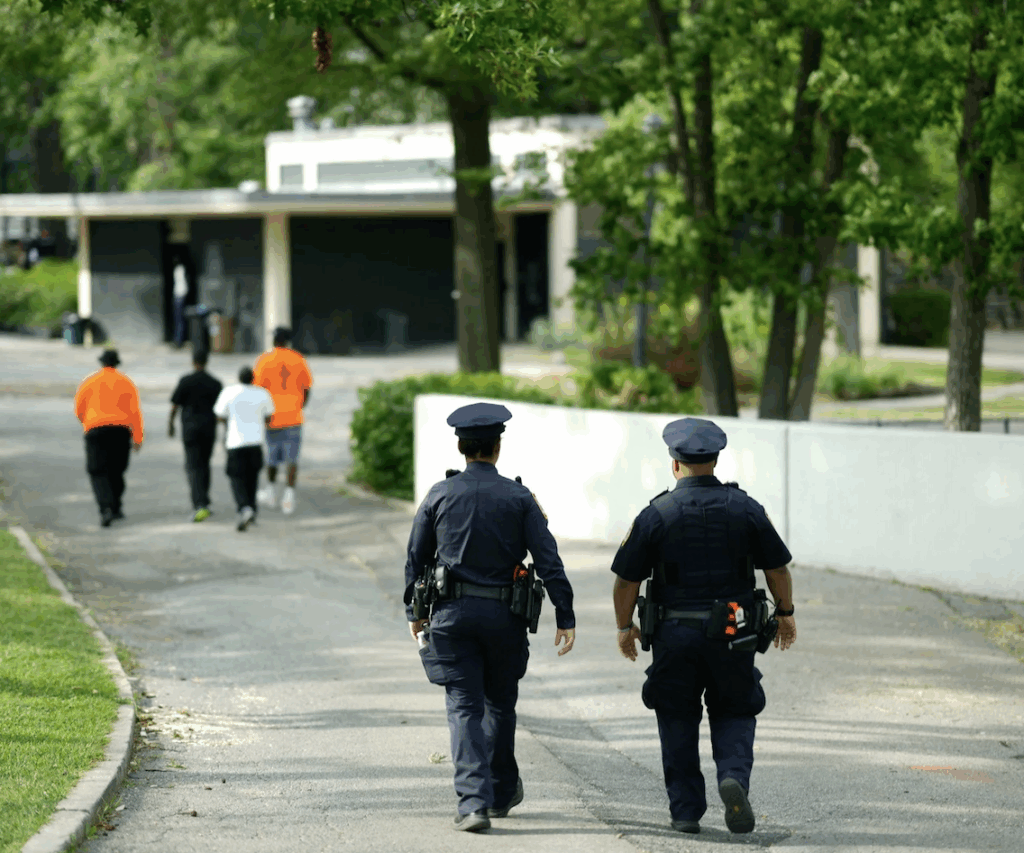
Most New Yorkers are aware of the Giuliani era policy of Broken Windows policing. Fundamentally, it is based on the theory that if you strictly enforce petty offenses, you will reduce the number of more serious crimes. This was highly effective at reducing crime in NYC.
However, reformers criticized this approach as overly harsh and unduly targeting youth and the vulnerable. It was argued that petty offenders and youths were being saddled with criminal records, destroying their prospects, and ultimately creating a vicious cycle of repeat offenders. Beginning with Mayor de Blasio, this thought process seriously influenced NYC policy.
Since then, residents have experienced the effects of this laxer enforcement. Although it is difficult to gauge the exact extent of any increase since these offenses are not prosecuted and therefore not documented in crime stats, the effects have not been unnoticed.
The reformers have a legitimate point regarding the effect that criminal records have on the employment prospects of petty offenders, especially young offenders, and to their credit, serious crimes remain low. However, as a result of the minimal enforcement against petty offenses, graffiti, illegal car meetups, park takeovers, subway surfing, turnstile jumping, mopeds in bike lanes, kids driving bicycles into oncoming traffic and pedestrians, homeless and mentally disturbed individuals living on the subway, along with other things, are rampant. Residents pay more in taxes and fares but suffer a worse experience in every public space.
This issue has wrongly been framed as either all-or-nothing: stringent no excuse enforcement or complete decriminalization. We can have standards as a city and enforce against these quality-of-life issues, while avoiding overly harsh penalties for youth and occasional offenders. After all, the punishment must fit the crime. This would allow us to uphold courtesy and respect towards those around us while avoiding the most serious consequences for those who made a one-off bad decision or who were just at the wrong place at the wrong time.
So, what is the appropriate punishment for these offenses? First, it is important to understand why people commit these petty offenses. For kids it is often immaturity, for adults it can be mental illness or drug abuse, but at times it is just a simple lack of courtesy and respect. Others view aggressive and antisocial behavior, such as graffiti, blasting loud music, and outbursts in public spaces, as a power play towards those around them.
Each scenario requires its own solution. Although it is true that misguided kids do not belong in jail, they do belong in school detention. Opponents say this will cause them to miss extracurricular activities, the bus ride home, and even inconvenience their parents who might have to leave work to pick them up. That is exactly the point. By creating minor inconveniences for the kid and those around them, such as friends, teammates, and parents, the kid often corrects their behavior. This creates consequences for their actions and helps them learn important lessons to stay out of potentially greater trouble in the future.
Adult petty offenders should be issued escalating fines. If the fines are collected, this creates a system of accountability. Depending on the seriousness of the offense, certain chronic offenders, and those who refuse to pay the fines should face the threat of minor jail time. Often just the possibility of a fine or jail is enough to deter the worst behaviors, as it poses an inconvenience on their lives in exchange for their attempt to inconvenience others.
In public places, simple barriers to entry keep out most of the disorder. For example, enforcing the fare on mass transit or simply enforcing laws against loitering and public consumption keeps trouble out of public spaces, allowing everyone else to enjoy the public commons.
For those who are homeless or suffer with mental health or drug issues, there should be a priority on placing them in safe facilities where they can get the help they need, not have them wander the streets, sleep on park benches and in subways as a supposed act of compassion.
At the end of the day, the enforcement of quality-of-life issues is a matter of how much we value courtesy and respect in our city, which is even more important in a dense city environment. Often minor barriers or fines are enough to dissuade worse behavior. Minimally invasive penalties establish standards for a safer and cleaner city without the need for overly harsh, disproportionate penalties for minor offenses. Among other things, this would help more New Yorkers feel comfortable to use mass transit and our city’s public spaces and create a better city for everyone. It is time to reframe this issue and it starts with New Yorkers asking the right questions.