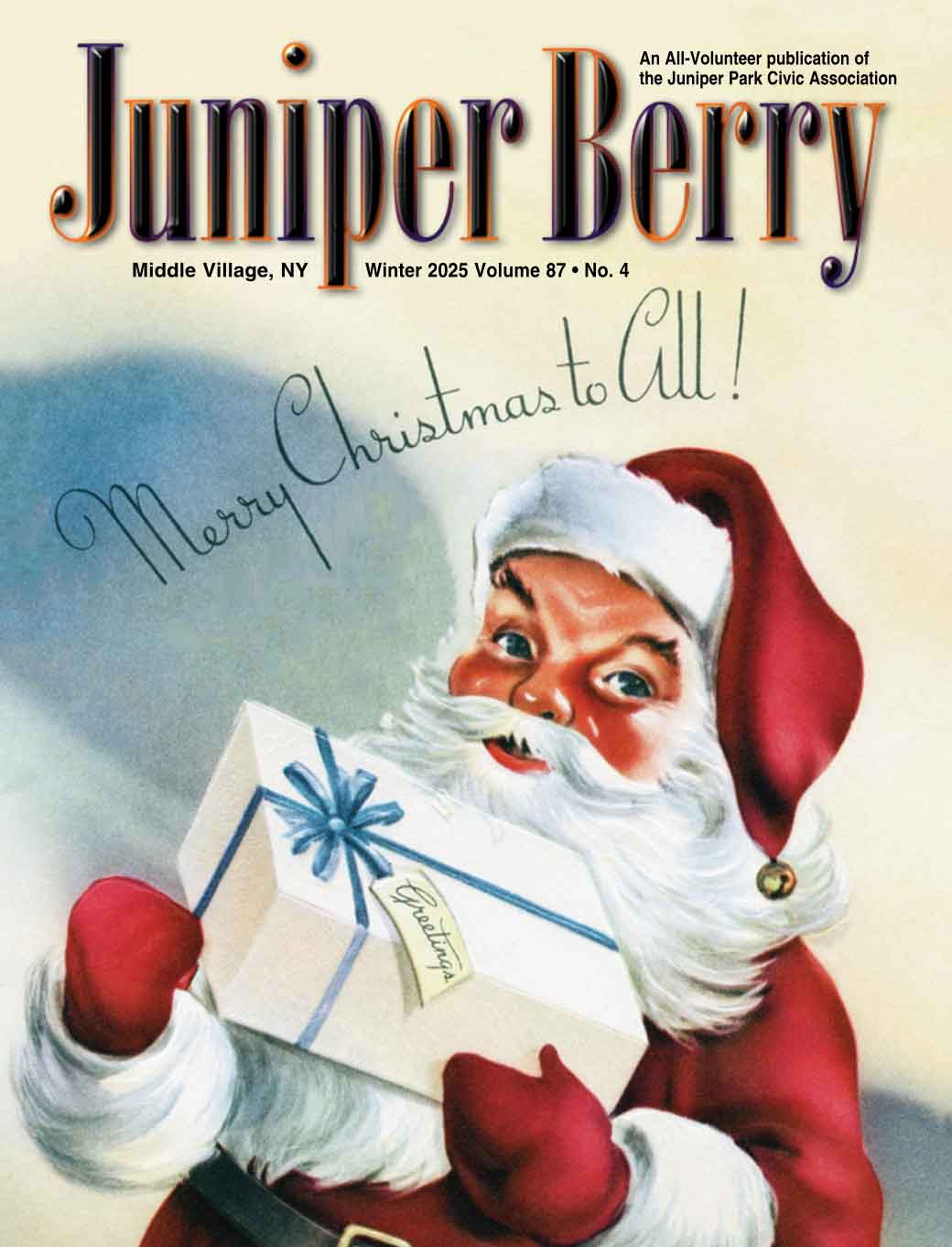
When I was a child, I watched a 1940s-era cartoon where one character ripped a tag off a gift that read, “Do not open until xmas” and slapped it on another character’s mouth as a bit of comedy. I asked an adult what “xmas” meant and I received a lecture about how it was a way to take Christ out of Christmas and therefore I should never shorten the word that way.
That was a little more of a response than my 7-year-old self had bargained for. It also turned out to be totally incorrect. Yes, it is a way to abbreviate the word Christmas, but it most definitely keeps Christ in it. The spelling dates to the 11th century, with ‘X’ being the Greek symbol for Christ.
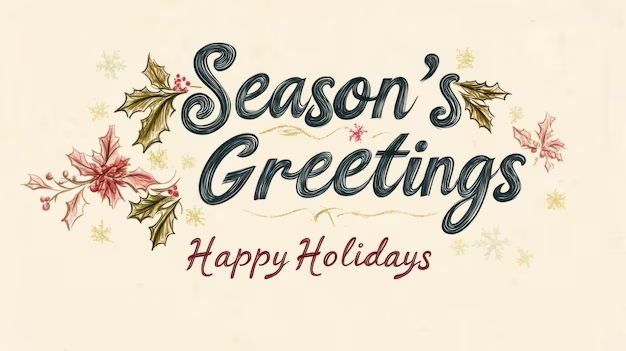
I also recall listening to my grandparents’ mid-century era holiday records. Andy Williams, Bing Crosby, and Peggy Lee all joyfully sang their happy holiday wishes. But today when you say “Happy Holidays” or “Season’s Greetings” to someone, be prepared for them to shoot back at you, “IT’S MERRY CHRISTMAS!” and be highly offended.
Well, the word “holiday” literally means “holy day.” Christmas and New Year’s Day are both holy days on the Catholic calendar, so “Happy Holidays” is not diminishing anything. Not to mention that you might want to greet someone of a different faith who doesn’t celebrate Christmas but maybe their holy days of Hanukkah. It also covers the Feast of the Epiphany, which many cultures deem as important as Christmas.
History doesn’t back up a verbal ‘War on Christmas.’ Early greeting cards contained these phrasings that some are trying to make controversial today. “Happy Holidays” has appeared in American newspapers dating back to 1863. “Season’s Greetings” was first uttered in Victorian England in the 19th Century and was commonly used by the 1920s.
Language policing during the holidays is exhausting, so it’s best to just be grateful that someone thought enough of you to wish you well. After all, it’s the most wonderful time of the year, a time for us all to be of good cheer.
“War is over! (If you want it.)” – John & Yoko